


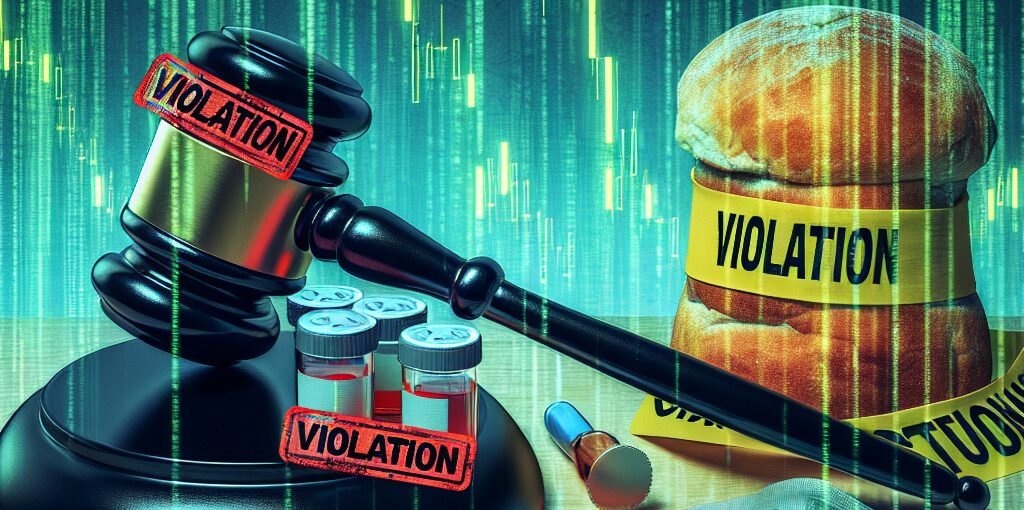
Agency steps up enforcement against labeling and safety lapses
The U.S. Food and Drug Administration has turned a bright spotlight on companies that make most households trust every day—baby medications and supermarket bread. Two freshly posted warning letters accuse a California-based infant drug maker of incomplete drug-approval labeling and sterility gaps, while several commercial bakeries are faulted for undeclared allergens, sanitation failures and unapproved additives. The notices give each firm 15 business days to show concrete fixes or risk escalated actions such as seizures or mandatory recalls.
Why the notices matter to quality and compliance teams
Immediate implications
-
Potential recalls: FDA can order recalls under the Food Safety Modernization Act if voluntary steps lag.
-
Audit pressure: Retail buyers often cut shelf space for vendors facing unresolved warning letters.
-
Civil and criminal risk: Repeated violations can invite Department of Justice involvement or import bans for international suppliers.
The infant-drug findings: paperwork gaps and sterility doubts
Key FDA observations
-
Missing or incorrect New Drug Application (NDA) numbers on griping-water and cough-relief products marketed for babies.
-
Inadequate adverse-event reporting after serious incidents such as infant hospitalizations linked to the products.
-
Failure to validate sterility for injectable formulations, breaching current Good Manufacturing Practice rules under 21 CFR 211.
Practical takeaways for pharma QA leads
-
Confirm NDA references match electronic Drug Registration and Listing System data—minor typos have triggered recent letters across the industry.
-
Tighten adverse-event triage: staff must forward “serious” infant cases to FDA within 15 days.
-
Re-qualify sterilization suppliers; FDA increasingly uses unannounced foreign and domestic inspections to verify data integrity.
Bread makers under fire: allergens and sanitation
Violations highlighted
-
Ready-to-eat loaves listing sesame, walnuts and other major allergens on the label when none are in the recipe—rendering the products “misbranded” under the Food, Drug, and Cosmetic Act.
-
Dough conditioners and preservatives not approved for the product category.
-
Rodent droppings and beetle larvae in processing areas, leading to adulteration findings at a California facility.
Actionable next steps for bakeries
-
Audit allergen control plans; “may contain” cannot replace cross-contact prevention, per FDA allergen guidance.
-
Validate every processing aid against 21 CFR 172 or file a Food Additive Petition before use.
-
Implement environmental-pathogen monitoring—inspections repeatedly cite failure to test for Salmonella in cooling and slicing zones.
Wider regulatory context
Higher enforcement tempo
-
FDA’s Human Foods Program recorded a rise in foodborne-outbreak investigations and warning letters through 2024.
-
New initiatives such as the Chemical Contaminants Transparency Tool and the phase-out of petroleum-based dyes signal broader scrutiny of everyday foods.
“Radical transparency” push for infant products
-
July 2025 agency letter urges faster public alerts for baby-food recalls, aligning with Operation Stork Speed’s call for tougher oversight of infant nutrition.
Regulatory experts opine that allergen mislabeling “strikes at the core of consumer trust” and warns retailers could face class-action exposure if shelf audits lag. Meanwhile, the Consumer Brands Association cautiously welcomed FDA’s allergen crackdown, emphasizing that “clear, truthful labels help shoppers make safe choices”.
What happens next
Short clock for corrective plans
Firms must provide detailed remediation timelines, third-party audit results, and preventive-control upgrades within 15 business days of the letter dates. Failure can prompt product embargoes, import alerts, or court-ordered injunctions.
Consumer guidance
FDA has not advised parents to discard specific infant-drug batches or bread brands, but shoppers should monitor the agency’s Enforcement Report for any subsequent recalls.
FAQ
Are the affected products recalled right now?
No. Warning letters precede recalls; companies get a brief window to correct issues. FDA will post recall notices if risks persist.
How can small manufacturers avoid similar pitfalls?
Maintain updated drug or food listings, implement robust allergen-control programs, and conduct mock FDA inspections to spot gaps early.
Does FDA inspect label artwork?
Yes—inspectors routinely compare physical labels to formulations and electronic listings. Discrepancies trigger misbranding charges.
What is the penalty for failing to respond in 15 days?
FDA may move to product seizures, injunctions, or add the firm to an import alert, effectively blocking U.S. entry.
Where can consumers track future updates?
Subscribe to FDA’s free recall email service to receive live alerts on foods and drugs.